There’s something about linen postcards that feels different the moment you pick one up. It isn’t just the image. It’s the texture. The color. The way they almost feel like fabric — even though they’re paper.
If you’ve ever wondered why some vintage postcards look brighter, softer, or slightly textured compared to others, you’re probably holding a linen postcard.
— ✧ —— ✧ —— ✧ —— ✧ —— ✧ —— ✧ —— ✧ —— ✧ —— ✧ —— ✧ —
What Makes a Linen Postcard “Linen”?
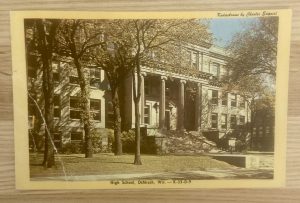
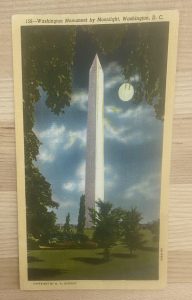
Despite the name, they aren’t actually made of linen fabric. They were printed on paper with a high rag content, which gave the surface a woven, fabric-like texture.
Most linen postcards were produced between the 1930s and 1940s — right between the earlier divided-back era and the later glossy chrome postcards of the 1950s and 60s.
You can usually spot them by:
- Visible textured surface
- Bright, almost hand-tinted colors
- Soft but slightly exaggerated skies and landscapes
- A matte finish rather than glossy
They don’t just look different — they feel different.
— ✧ —— ✧ —— ✧ —— ✧ —— ✧ —— ✧ —— ✧ —— ✧ —— ✧ —— ✧ —
The Colors Tell a Story
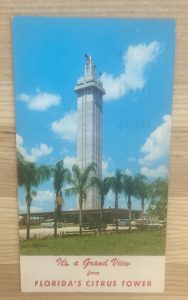
Linen postcards were printed during the Great Depression and World War II era. Color printing techniques improved, but photography wasn’t yet as crisp as later decades. So publishers enhanced colors by hand during the printing process.
That’s why linen postcards often have:
- Deep turquoise water
- Rich sunset oranges
- Lush, almost surreal greens
They weren’t trying to deceive. They were trying to inspire travel.
— ✧ —— ✧ —— ✧ —— ✧ —— ✧ —— ✧ —— ✧ —— ✧ —— ✧ —— ✧ —
Why Collectors Love Them
Collectors are drawn to linen postcards because they represent a very specific moment in printing history. They bridge the gap between:
Early sepia and divided-back postcards and The glossy chrome cards that came later. They also tend to age beautifully.
The matte texture softens wear instead of highlighting it.
— ✧ —— ✧ —— ✧ —— ✧ —— ✧ —— ✧ —— ✧ —— ✧ —— ✧ —— ✧ —
Why They Feel Different Today
In a world of glossy screens and digital images, linen postcards feel grounded. They’re tactile. You don’t just see them — you experience them. That texture is part of the charm.
And once you start noticing it, you’ll never unsee it.
— ✧ —— ✧ —— ✧ —— ✧ —— ✧ —— ✧ —— ✧ —— ✧ —— ✧ —— ✧ —
If you’ve recently added linen postcards to your collection — or are just starting to notice the difference — you’re holding a small piece of printing history in your hands. And it’s one of my favorite eras to come across.
If you’d like to browse more of my vintage finds, you can visit my Etsy shops here: Funky Vintiques and Lafayette Antiques. I’m adding new treasures every week, so feel free to check back often!
📍 Find us at:
📌 Sugar Mill Antiques & Vintage Depot
📍 13788 Pacific Circle, Mead, CO
🛍 Booth #58 – Center Aisle, 2nd on the Left
You can also browse our finds in our Etsy store!